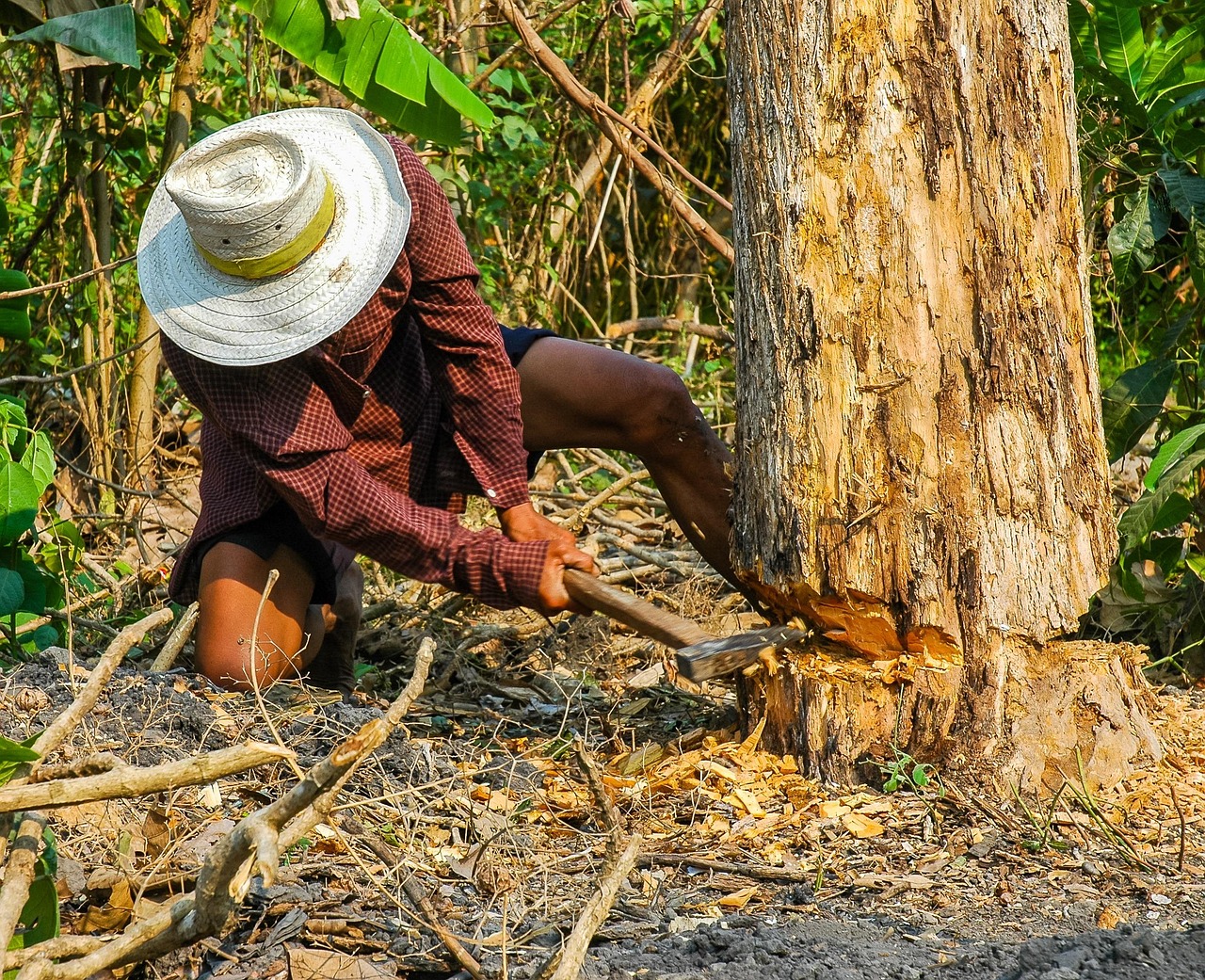
Tree removal in Jersey City, NJ is the controlled, piece-by-piece takedown of trees that have become unsafe, unwanted or simply too big for the yard they’re in. It’s for Jersey City homeowners with a split, dying, invasive or oversized tree that can’t be dropped in one piece because rowhouses, fences and neighbors surround it. Removal here means climbing, rigging and carrying the wood out by hand. The outcome is a safe yard and space you can use again.
What Tree Removal Involves on a Rowhouse Lot
Felling a tree in one piece needs open ground, which almost no Jersey City backyard has. A typical removal involves:
- Climbing the tree and removing small limbs first.
- Rigging heavier limbs on ropes so they are lowered under control.
- Cutting the trunk down in short sections, sized for carrying.
- Moving wood out by alley, gate or a protected route through the building.
- Leaving a low stump, or grinding it if that was part of the quote.
When a Tree Should Come Down
- Large dead limbs or a mostly bare crown that no longer leafs out.
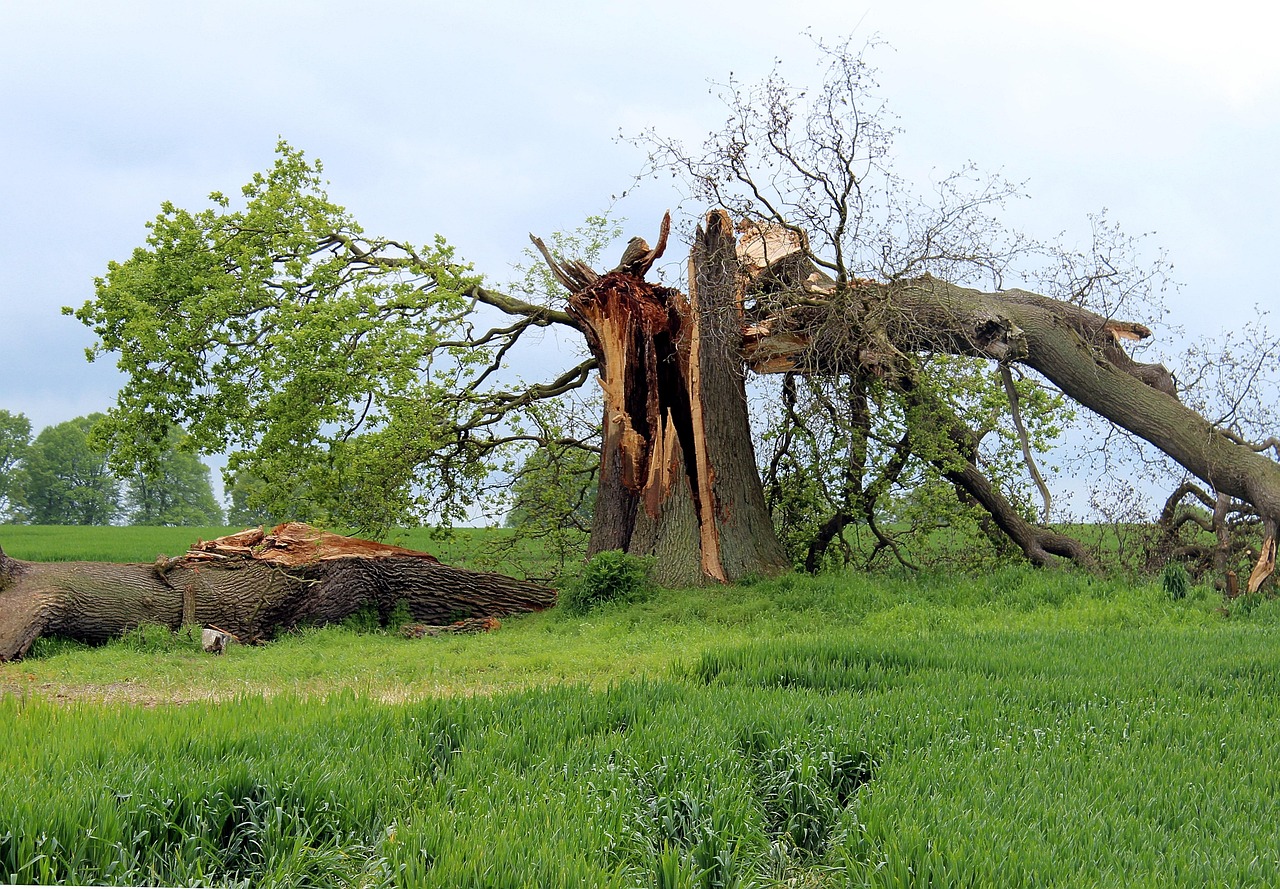
- A split or cracked trunk, often after a nor’easter or ice storm.
- Fungus, soft wood or cavities at the base or along the trunk.
- An invasive species such as tree of heaven spreading through the yard.
- An ash tree declining from emerald ash borer damage.
- Roots damaging a foundation, rear wall, patio or sewer lateral.
Why Trees Decline in Jersey City Yards
Urban yards are hard on trees. Roots compete with foundations, pavement and buried utilities, and compacted soil holds little water or air. Many trees were planted too close to buildings or sprouted on their own in the wrong spot. Add storm damage, past topping cuts that let decay in, and pests like the emerald ash borer and spotted lanternfly, and a tree that looked fine a few years ago can become a hazard.
Weak species make things worse. Callery pears often split at their tight forks, and silver maples grow fast but break easily in ice.
How the Removal Is Carried Out
- Inspect the tree for defects, lean and anything under or around it.
- Agree on the route for the wood and protect it, inside and out.
- Climb and remove limbs from the top down, rigging the heavy pieces.
- Section the trunk in pieces small enough to carry safely.
- Clean up thoroughly, including the yard, steps and any route used.
- Finish with stump grinding when you asked for it in the quote.
What Affects the Price of Tree Removal
- Height, trunk diameter and species of the tree.
- The amount of rigging needed to protect roofs, decks and neighboring yards.
- The route out, and how far wood must be carried to the street.
- Condition of the tree, since dead or decayed wood is slower and riskier to climb.
- Overhead wires near the tree, which may need PSE&G involvement first.
- Stump grinding and invasive regrowth treatment, if added.
No two backyards are alike, so each removal gets its own price after a no-cost site visit.
Removal or Pruning?
Not every problem tree needs to go. When the wood is sound and the complaint is reach or overhang, tree trimming is often enough. Removal is the better choice when the tree is structurally compromised, dying, invasive or so large that pruning would leave it unbalanced. An honest inspection should tell you which applies.
The Risk of Leaving a Failing Tree
A dead or split tree does not get safer with time. Decay spreads, cracks open further and dry wood becomes unpredictable to climb, which makes the eventual removal harder and riskier. On packed blocks, a failure can damage several properties at once. Once the tree is down, stump grinding clears the remaining stump.
Related services in Jersey City